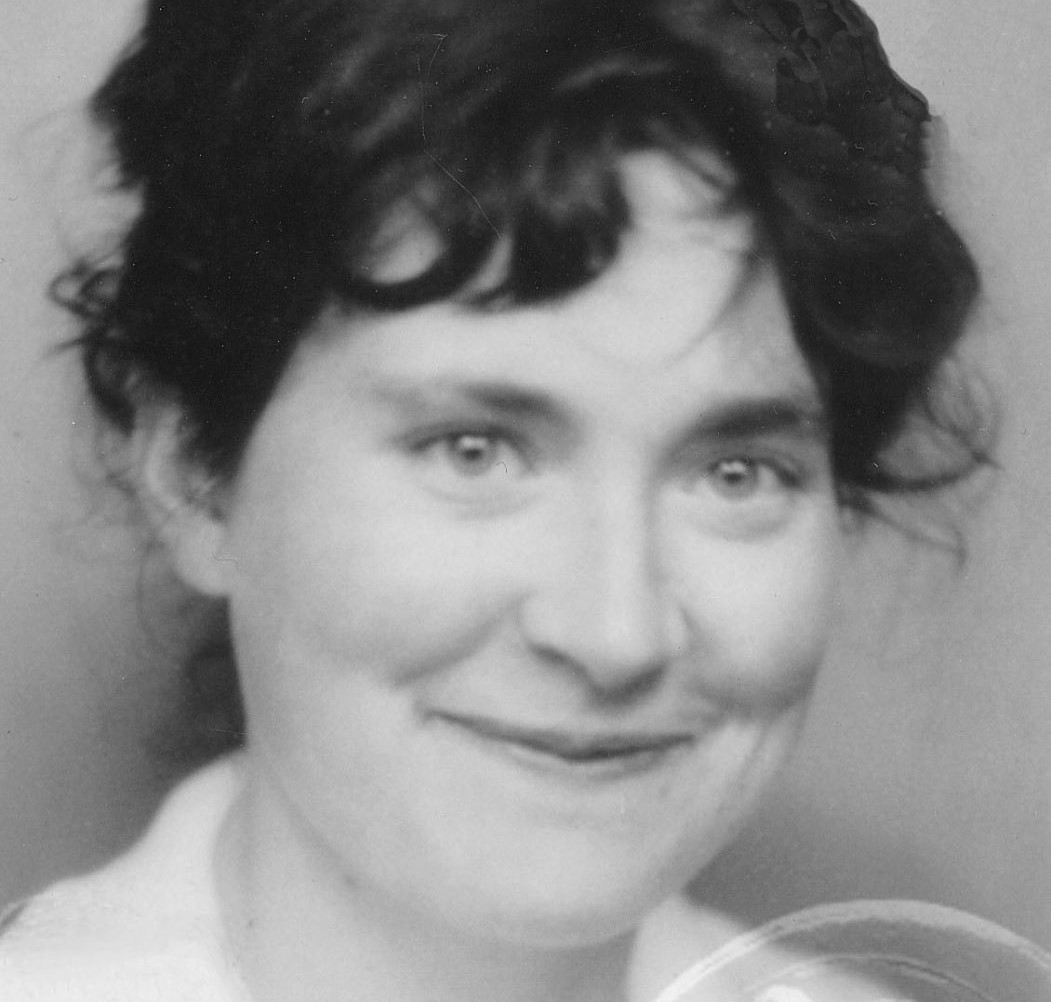
Clotilde Vautier went to the École des beaux-arts in Le Mans in 1957, later continuing her studies at the École des beaux-arts in Rennes from 1959. She received the Diplôme National de Peinture in Paris in July 1962. It was at the school in Rennes that she met her future husband, Antonio Otero, who came from a Spanish republican family that had fled to Brittany. They had two daughters, born in 1962 and 1963; Isabel became an actor and Mariana a filmmaker. From 1962, C. Vautier held regular exhibitions in galleries in Rennes and Brittany, and received several prizes at various art events. In 1966, she made a fresco for Les Variétés café in Rennes, today held at the Centre culturel de la Forge, in Saint-Grégoire, (Ille-et-Vilaine). In 1967, she received second prize at the Casa de Velazquez competition, with high praise from the jury. It was at this time that a gallery in Paris noticed her work and exhibited a number of her paintings.Her death in March 1968 of a backstreet abortion, put an end to a flourishing career. Mariana Otero’s film Histoire d'un secret (2003), recounts her fate, experienced by many women at this time, but also reveals the beauty of this audacious body of work, abruptly curtailed, where female nudes, shaped by shadow and light, have a physical presence that is both gentle and strong. This same strength and life force in the colours and lines animate portraits, landscapes, and still lifes; a collection of work with surprising variety and profusion for such a short lifetime. Clotilde Vautier, a book containing reproductions of her entire body of work, was published in 2004 (and republished in 2010), and many exhibitions have been held in cities across France, including two in Paris and one at the Espace des femmes. A high school in Rennes bears her name, as does a street in a new suburb.
Marie-José OTERO
See this illustrated text on the website of the Archives of Women Artists, Research and Exhibitions